ABC No Rio Zine Library Benefit Party
Friday, June 11, 7:30pm
ABC No Rio
156 Rivington St.
$3-20, sliding scale
Friday, June 11, 7:30pm
ABC No Rio
156 Rivington St.
$3-20, sliding scale
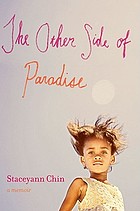
Staceyann Chin had a pretty bad childhood--abandonment, estrangement, poverty, abuse, fear of sexual assault--and then in young adulthood a certain proclivity that is not well tolerated in her native Jamaica. Yet she manages to tell her story without an excess of anger or emotion. There's no need, as the facts she presents speak for themselves.
The Lower East Side Librarian Library of Congress Subject Heading of the Week for Week 16, April 21, 2010 is...
Also, check out this new good intentioned but large and ugly footer on the Weekly List and presumably many other loc.gov pages:

The Lower East Side Librarian Library of Congress Subject Heading of the Week for Week 15, April 14, 2010 is...

I've read this novel about three artist sisters from South Carolina at least twice before. The first time I absolutely loved it, and the second time I was a little cooler. This time--probably 15 years after the last reading--I was in some ways reading a whole different book. Being in my teens and twenties for the first two readings, I was focused entirely on weaver Sassafrass, musician Indigo, and especially dancer Cypress. Now that I'm probably closer to mama Hilda Effania's age, I found her to be the most intriguing character.
aka Ann Aldrich
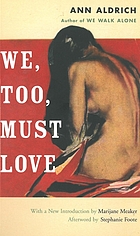
aka Vin Packer
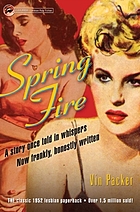
aka ME Kerr

aka Mary James

and finally aka MJ Meaker

held by only one OCLC member library!
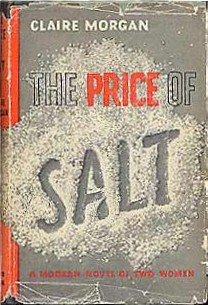
writes of her two year affair with mystery writer Patricia Highsmith who also wrote--as Claire Morgan--the lesbian romance (noted for its happy ending--not that kind of happy end, gutterbrain!) The Price of Salt.
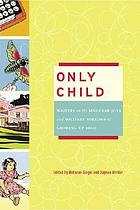
If you read anthologies (or comp zines) you know that they're always uneven in quality and focus. The most common thread I found in Only Child, both thematically and content-wise is a self-consciousness. There are more than the usual amount of asides, parentheticals, and explanations, which I think makes sense for people accustomed to having so much attention aimed their way. Many of the writers cited having all of their parents' love and affection to themselves as a childhood experience. I know when eyes are on me I feel more self-conscious, like if the Pilates class instructor praises me, I inevitably mess up the next exercise, as if to show that I'm not special, I'm the same as everyone else. But of course no one cares. In Pilates you're not looking at anyone else. That is one place where navel gazing is not only okay; it's the rule. Same with these only child authors, but they haven't had siblings beat "no one cares" into them, lucky dogs.
The latest Library Journal zine reviews column, Where the Boy Zines Are is up. It was contributed by Katie Haegele, one of my favorite of the current generation of zine makers. I asked Katie to focus on zines by men in order to offset my personal and professional bias toward women's zines. To date we've reviewed approximately twice as many zines by women as by men. I don't know the demographics of zine publishing, so I'm not sure if female identified authors are as dominant as that. It's pretty unlikely.