Prizefighter en Mi Casa
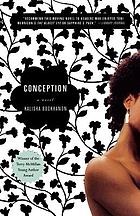
A 12-year-old is ashamed of her trauma onset epilepsy and is aided in coming to terms with it by a fugly one-eyed prizefighter. I wanted to like this book about a pre-teen Mexican-American girl named Chula more than I did. It's an award winning book, so I blame my lack of enthusiasm on my documented difficulty with the tween genre. This was a book club selection, so maybe I'll understand what I missed when I discuss it with La Celiacita. She'll be able to school me, I'm sure because getting some extra education in children's lit.
author gender:
medium:
author demographic:
book type:
Sarah Phillips
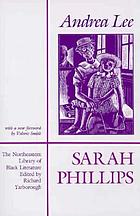
"What just happened?" I wondered when I finished this episodic novel. Why did she put the last story first? Although the book left me unsettled it was a moving read. Ms. Lee can write. In broad terms this is a coming of age story about a light-skinned black girl/woman coming of age, from her childhood as a civil rights preacher's kid attending a Quaker school, integrating a private school, going to Harvard, and then doing the ex-pat thing in Paris.
What I'd been doing, in fact--what I did every morning--was reading. ... I would read with the kind of ferocious appetite that belongs only to garden shrews, bookish children, and other small creatures who need double their weight in nourishment daily. p.31
This balance was upset when I entered the Prescott seventh grade, a long-legged, eccentric-haired child of eleven--with a mouthful of braces--chafing in the regulation gray worsted tunic and white cotton blouse. I came from a family with a fixed optimism about the brotherhood of man, and I was fresh from the sheltered atmosphere of a tiny Quaker school where race and class were treated with energetic nonchalance. It astonished me considerably to discover a world in which lines were so clearly drawn, and in which I was the object of a discreet, relentless curiosity--a curiosity mingled with wariness on the part of some teachers, as if I were a very small unexploded bomb. p.53
author gender:
book type:
free:
medium:
recommendation:
author demographic:
Get Well Soon
Zinester turned school librarian turned novelist Julie Halpern tells what seems like a very accurate depiction of life inside a teen mental health facility, complete with check out date determined by your insurance coverage. When I say "turned" that's misleading. Halpern manages to be all three at once, not giving up her ziney roots or her librarianship while publishing her books. Her protagonist Anna Bloom is likable and believable, but not too perfect; same goes for the rest of the characters. While she doesn't portray the hospital as a beacon of healing, she doesn't slam it too hard, and in fact at the end you feel that Anna's mental health has improved. However, you don't know for sure if that's because or in spite of the therapy. The main thing that Anna learns is how to be mad and be bad--two things that are vitally important for a young lady.
author gender:
medium:
recommendation:
free:
LCSH Week 39: women with crabs
LCSH Week 38: LC recognizes Bozo the Clown and Posthumous children
Zinester's Guide to NYC
The Zinester's Guide to NYC, compiled by Ayun Halliday is coming to a bookstore or distro near you on November 15.

But if you're lucky enough to live in New York or will for whatever reason be here on November 11, you can buy an autographed copy at the book release party at Housing Works...
LCSH Week 37: of Infatuation and Maraschino cherries
Keeping You a Secret
Student council president Holland Jaeger was finds herself less interested in boyfriend Seth than in transfer student Cece. Cece is totally open about her sexuality, but makes some mistakes as she helps Holland understand hers. Of the three queer YA novels I've read lately, this was the most affective (i.e tear-jerking). Strangely though I didn't love the writing, I found the book deeply compelling (except the day I accidentally left it at work and had nothing to read on the subway home). In addition to being a coming out story, it's also about parent/child relationships, learning to be open-minded about people from wacky subcultures (e.g. goths), and finding oneself as an artist. I'd say more, but there are too many spoilers to worry about.
author gender:
medium:
recommendation:
Sacred Hearts
This meticulously researched book was perhaps too meticulously researched. It felt like Sarah Dunant needed to include every salacious tidbit she gleaned about 16th century Italian nuns. That's not to say it's a bad book. I liked it okay; I just thought it tried to tell too many stories and was about 100 pages too long. First there's the noble woman sent off to the nunnery against her will story (happened all the time at the time), then the anorexic nun story, both with subplots about the strict yet fanciful novice mistress, the political abbess, and the dispensary nun who herself had been resistant to her "calling."